Crafting Functional and Aesthetic Spaces
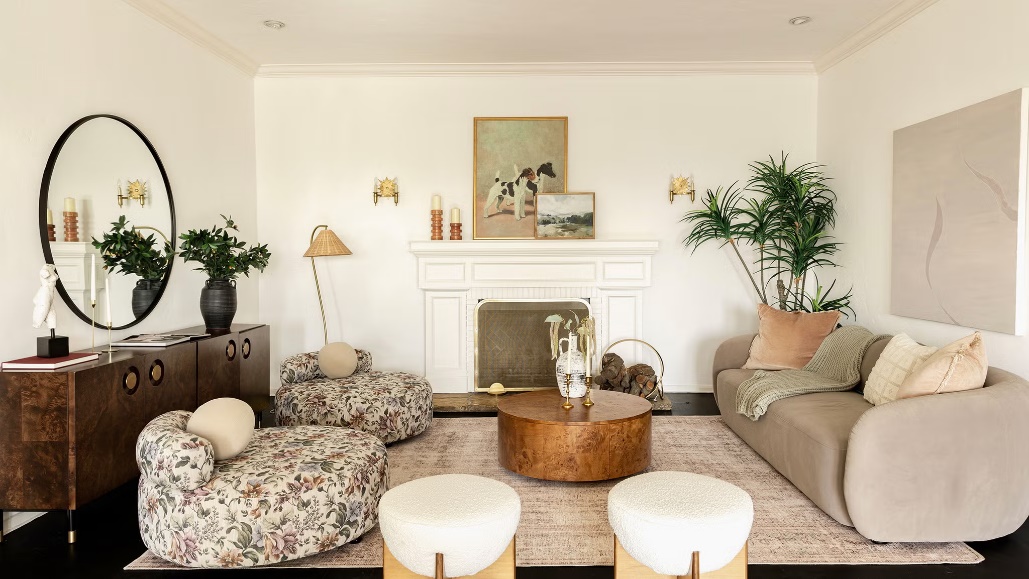
Harmony is achieved when all elements of a space work together in unity, creating a cohesive look. This doesn’t mean everything must match, but rather that colors, shapes, textures, and patterns complement each other, creating a feeling of tranquility.
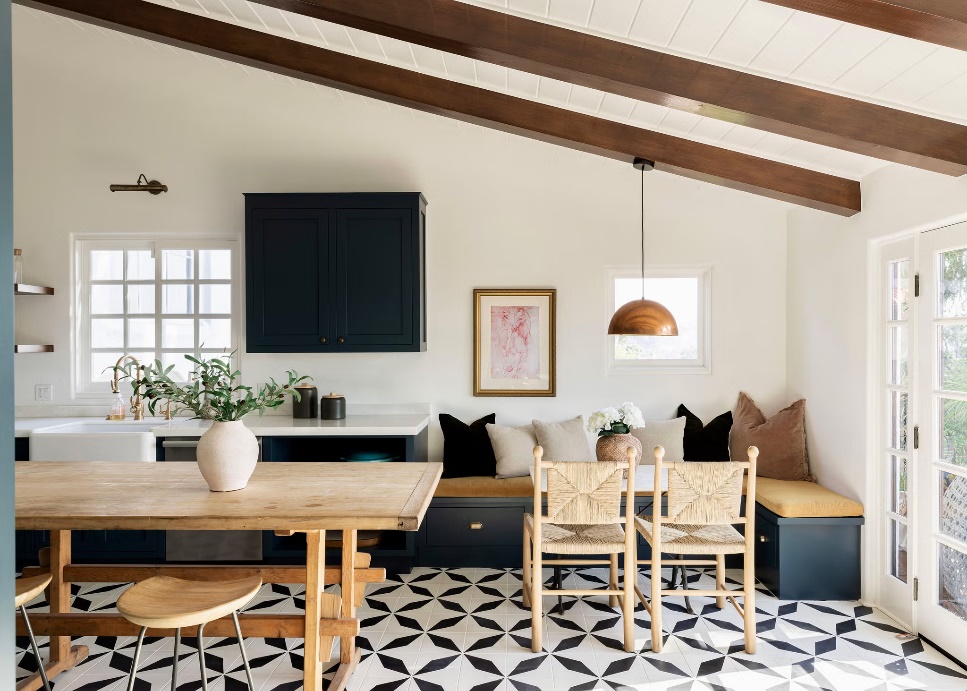
Photo: William Myers
Proportion refers to the size relationships between objects, while scale is about the size of a single object in relation to the entire room. Proper use of proportion and scale ensures that furniture and decor are in harmony with the space and each other, avoiding a cluttered or overwhelming effect.
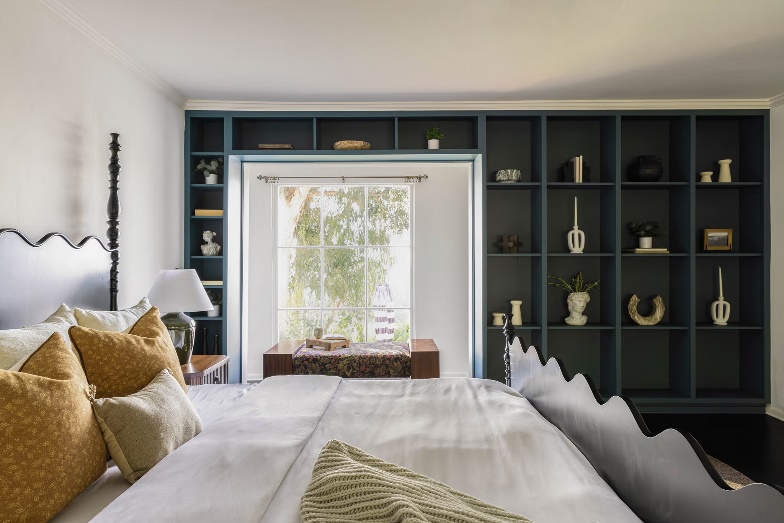
Photo: William Myers
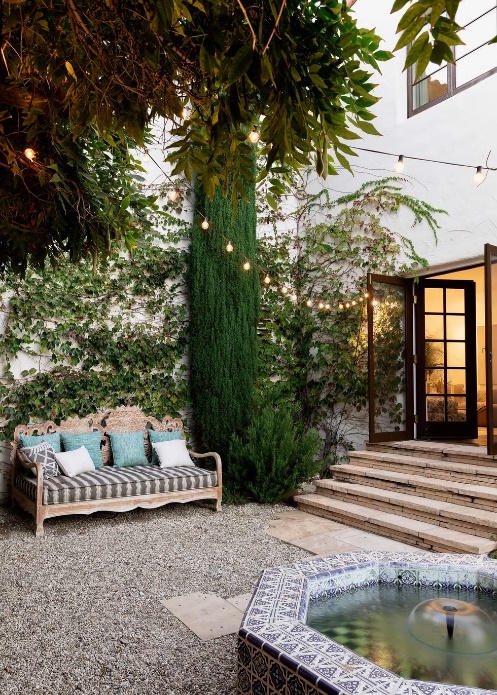
The central point of a well-defined interior is Color. Color has a powerful psychological impact and can significantly influence the mood of space. Warm tones (reds, oranges, yellows) are energizing, while cool tones (blues, greens, purples) create calmness. Neutrals like whites, grays, and beiges are versatile and timeless, providing a balanced backdrop for bolder accents.
Another important focus in interior design is Light. Lighting plays a crucial role in shaping the ambiance of a room. It can make spaces feel warm or cool, intimate or spacious. There are three main types of lighting:
- Ambient light, which is defined as general lighting that fills the room with even light,
- Task light, a focused type of lighting for specific activities like reading or cooking,
- Accent light: Highlighting artwork or architectural features.
Thoughtful layering of these lighting types ensures functionality and enhances the visual appeal of space.
Furniture and Layout are also key figures. The arrangement of furniture defines the flow of a room. A well-considered layout can improve the functionality of space, making it more comfortable and efficient. The key is ensuring that furniture pieces are appropriately scaled to the room size, placed to encourage conversation or movement, and support the room’s intended use.
The use of Textures adds depth and tactile interest to a space. Contrasting textures, such as a plush rug against a sleek hardwood floor, can elevate the sensory experience. Materials such as wood, glass, metal, and fabric should be chosen for both their visual and functional qualities, ensuring durability and style.
Much underestimated, Accessories and Artwork bring the personal flavor to a room. Accessories like pillows, rugs, and decorative objects personalize a space. Artwork, sculptures, and wall decor add a unique character and can be used to tie together various elements within a room. These finishing touches are often the difference between a room feeling generic or truly lived-in.
The Future of Interior Design Interior design is an ever-evolving field, influenced by new technologies, cultural shifts, and changing environmental concerns. Sustainability is becoming increasingly important, with a focus on using eco-friendly materials and creating spaces that promote well-being. Smart homes, with integrated technology, are also influencing design choices, allowing for more personalized and efficient spaces.
In conclusion, interior design is about more than just aesthetics. It’s a thoughtful process of creating environments that enhance functionality, promote comfort, and reflect the personality of those who inhabit the space. Whether you’re redesigning your living room or rethinking an office layout, interior design can transform a simple space into a place that fosters creativity, productivity, and relaxation.
Photo credits: William Myers